Ryan Hurst Weight Loss – What’s Real, What’s Rumour
Why People Ask
Ryan Hurst is memorable on screen – Opie in “Sons of Anarchy”, Beta in “The Walking Dead”, Gerry in “Remember the Titans”. That range fuels body-chat online. Some fans claim a big “transformation”. Others assume illness. Let’s separate roles, wardrobe, and verified facts.

What’s Actually on Record
During “The Walking Dead” shoots in Georgia, Hurst wore Beta’s heavy layers and mask. He ended up in hospital with heat exhaustion. He said so in interviews around his character’s final episodes. That’s strain, not a slimming scheme. There’s no credible source saying he lost a specific amount of weight for that job.
Beyond that, publicity from AMC at the time talked character, not dieting. No detailed training or “before–after” numbers were offered by the show or Hurst.
The Rumour Mill Problem
A lot of “Ryan Hurst weight loss” posts recycle each other. Some even drop in stock shots or click-bait claims. Here’s a likely reason the web is messy – Ethan Suplee, Hurst’s “Remember the Titans” co-star, has a well-documented and dramatic weight-loss story (over 200–250 lb reported over years). Many articles and social posts mix up the two actors. Suplee has spoken at length to major outlets; Hurst hasn’t. If you’ve seen shocking side-by-sides, check they aren’t of Suplee.
What We Can Say Without Spin
- Hurst has played large, imposing roles and has also taken parts (and voice work) where size matters less. Screen shape can vary with time, costume, and camera. That does not equal a confirmed “weight-loss programme”.
- He was hospitalised with heat exhaustion on TWD. That’s a documented health event. It does not prove a diet story.
Honestly, if Hurst ever wants to set out a plan, he will. Until then, the only fair answer is: rumours outpace facts.
How Actors Change Shape (Without Fairy Dust)
When body changes are real, they usually come from the same dull levers the rest of us use. If you’re here for ideas – not idol gossip – this is the useful bit.
What actually moves the needle:
- A sustained calorie deficit you can live with.
- Protein at meals to protect muscle.
- Progressive strength work plus regular steps.
- Enough sleep to keep hunger and water-weight sane.
The UK’s NHS puts this into a practical 12-week plan and reminds you that safe loss is roughly 0.5–1 kg per week. It’s not sexy. It works.
Weekly targets that help:
- Activity: about 150 minutes moderate or 75 minutes vigorous, plus two strength sessions. Spread it out. Walk more. Sit less.
- Food: plan portions, reduce liquid calories, keep fibre high, and make room for real life.

How to Read Celebrity “Transformations”
You’ll keep seeing articles about Hurst “dropping X pounds” with no source. Treat them like stage fog.
Red flags to watch for:
- No direct quote or interview from Hurst.
- Vague timelines like “last year” or “recently”.
- Photos from different roles, lights, or facial hair.
- Links to supplements or “Hollywood” shortcuts.
Green flags that count:
- A named interview in a reputable outlet.
- Clear numbers, dates, and context (how long, why, how).
- Consistent details across multiple reliable sources.
If the piece can’t pass that test, it’s rumour. Full stop.
My Take – Blunt, but Fair
I don’t buy the “secret programme” headlines. There’s solid reporting on Hurst’s heat exhaustion while filming – and that’s it. If you’re chasing your own change, copy the boring bits from the NHS, not the internet’s wish-casting.
If You Want a Simple, Keepable Plan
Let’s keep it practical. No spreadsheets. No sainthood.
Food basics:
- Eat protein at each meal – eggs, yoghurt, fish, chicken, beans.
- Fill half the plate with veg. Add fruit daily.
- Fats and carbs are fine – just portion them.
- Alcohol less often. Water more often.
Movement basics:
- Two short strength sessions a week – push, pull, hinge, squat, carry.
- Daily steps – set a floor you’ll actually hit.
- One “sweaty” session you enjoy – bike, run, row, box.
- Sleep 7–9 hours. Your appetite will thank you.
Possibly you wanted a hack. You got a plan. Honestly, that’s better.
Bottom Line
Is there a documented Ryan Hurst “weight-loss regimen”? No. There is verified reporting that he suffered heat exhaustion filming “The Walking Dead”. There is a separate, highly public story of major loss from his “Titans” co-star Ethan Suplee. Don’t let the internet blur them. If your goal is change, build a small deficit, move often, lift twice a week, and let time do its slow work.
Phill Jupitus Weight Loss – What Really Happened
You search his name and get jokes, panel shows, podcasts. And then the question – did Phill Jupitus really lose a lot of weight? Short answer: yes, at one point. Longer answer: the internet muddies timelines, so let’s stick to what’s on record.

The Fringe Year That Turned Heads
At the Edinburgh Fringe in August 2011, reviewers didn’t just talk about the set. They noticed the body. Fest magazine put it plainly – after seeing himself endlessly on the TV channel Dave, Jupitus decided to slim down. “Six and a half stones later he’s less recognisable than he would be with his belly of old.” That’s the most specific, sourced number we have. Six-and-a-half stone is roughly 41 kg. That’s significant by any measure.
Other Reports from That Period
Another Fringe write-up the same month called it a “substantial weight-loss.” No diet list. No training plan. Just the obvious fact that he looked lighter. Useful, if frustrating, because it confirms the change without over-promising detail.
A few years later, in a candid 2015 interview, Jupitus said, “I need to lose weight for my health… I don’t like seeing myself get fatter.” It’s not a boast. It reads like a human check-in – the sort of thing many of us mutter in the mirror. Honest, and maybe a bit raw.
How Much and How Fast?
What we can say with confidence is this – by mid-August 2011 he was about 6.5 stone down from an earlier public shape. We don’t have a verified start date, pace per week, or exact methods. Anyone who tells you otherwise is guessing. I won’t.
Could it have been diet changes, more walking, fewer late-night calories, a training block between tours? Possibly. Performers yo-yo with schedules and stress. But unless he publishes a programme, the only honest stance is restraint.
The Evidence on Safe, Real-World Weight Loss
If you’re here because you’re thinking, “What would actually work for me?”, the science is steadier than the celebrity chatter:
- A safe, sustainable loss is about 0.5–1kg per week. Faster drops tend to rebound.
- For many adults, the NHS advises a daily calorie reduction of roughly 600kcal to start moving the scale.
- There’s a free 12-week NHS plan with meal planning, activity targets and tracking tools. Not fancy – but it’s grounded.
What You Can Borrow
I’m not going to sell you a miracle. Here’s the blunt, useful stuff that actually shifts weight:
- Create a calorie gap – smaller portions, fewer liquid calories, routine meals. The boring basics work.
- Move more on purpose – brisk walks, stairs, short strength sessions. You don’t need a gym selfie to earn a result.
- Aim for steady pace – expect plateaus. Keep the line trending down over months, not days.
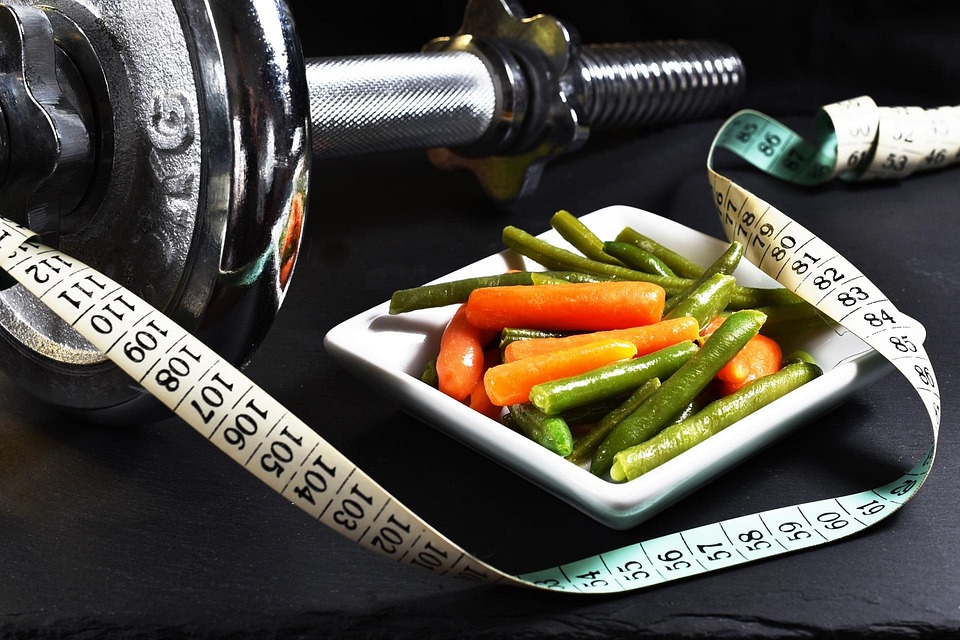
And a Few Practical, Low-Drama Habits
- Plan food for the next day – it removes guesswork when you’re tired.
- Track something – calories, portions, or even just weekly averages. Data beats vibes.
- Sleep and stress – poor sleep raises appetite and stalls loss. It’s not fluff; it’s biology.
Why Jupitus’s Story Sticks
Jupitus spent years as the quick-witted captain on Never Mind the Buzzcocks. People felt like they knew him, belly and all. Seeing a familiar figure change shape pokes our own hang-ups. Some cheer. Some sneer. Honestly, both reactions say more about us than about him.
He’s also a reminder that public labels stick – long after bodies change. That 2015 line about health reads like a man who knows the job can be brutal and is trying to keep the ship steady.
Don’t Over-Read the Gaps
Here’s me being direct – apart from that 2011 Fringe window, there isn’t a clean, verified trail of numbers, macros or gym splits from Jupitus. If you’ve seen “secret diet” headlines, treat them like heckles. Entertaining, not evidence.
So take the one hard figure – around 6.5 stone lost by August 2011 – and leave the myths on mute. If he ever chooses to share more detail, great. Until then, your plan should be about your life, your kitchen, your calendar.
Final Word
Jupitus’s weight loss happened – we have solid contemporaneous reviews that say so. We don’t have the recipe. And that’s fine. You don’t need a celebrity blueprint to change your own body. Build a small calorie deficit, move in ways you’ll actually keep, aim for 0.5–1kg a week, and ignore the noise. It’s unglamorous. It works.
Are Bran Flakes Good for Weight Loss?
The Short Answer
Bran flakes can help – if you pick the right box, watch portions, and build a balanced bowl. Fibre supports fullness. Lower sugar keeps calories in check. But a cereal is a tool, not a miracle. Honestly, most wins come from the boring bits done well.
What Bran Flakes Actually Are
Bran flakes are wheat-based breakfast cereal. The “bran” is the grain’s outer layer, rich in fibre and some micronutrients. Many brands also fortify with B-vitamins and iron. Fibre matters for health and can support weight control by helping you feel satisfied on fewer calories. UK guidance says adults should aim for 30g fibre a day – most of us only reach about 20g. A higher-fibre breakfast can close that gap.
Typical branded bran flakes provide around 3.7–5g fibre per 30–40g serving (check your label). That helps, but you still need fibre from the rest of the day – veg, pulses, wholegrains, nuts and seeds.
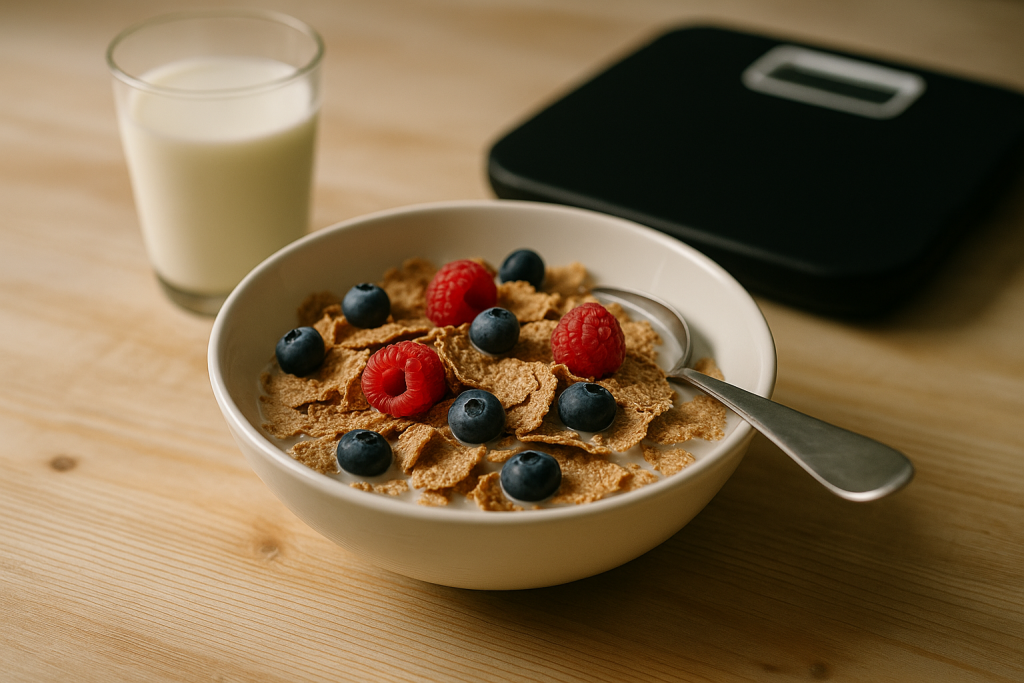
The Weight Question – Why Fibre Helps
There’s no single “fat-burning” cereal. What works is energy balance you can live with. Fibre-rich meals are useful because they increase fullness and slow eating, which can reduce overall intake. UK advice backs wholegrain, lower-sugar cereals as a sensible breakfast base — especially paired with fruit and milk or yoghurt. (nhs.uk)
When bran flakes can help:
- You swap from a frosted cereal to an unsweetened wholegrain option.
- You stick to 30–45g cereal, not a heaped bowl.
- You add protein (milk, yoghurt) and fruit for volume and fibre.
This isn’t glamorous. It works.
The Sugar Trap
Some packs carry more added sugar than you expect. That undercuts the weight-loss case. The rule is simple: pick unsweetened or low-sugar versions and add fruit for sweetness. Check traffic-light labels and per-100g sugar. If it’s high, leave it on the shelf.
Label quick-scan:
| Sugar per 100g | Aim low |
| Salt per 100g | The lower the better |
| Fibre per serving | Higher helps fullness |
Tummy Troubles – Not Everyone Thrives on Wheat Bran
Wheat contains fructans (a FODMAP) that can ferment in the gut and trigger bloating in sensitive people, especially with IBS. Fructan levels are often higher in the bran layer. If bran flakes leave you windy or uncomfortable, it may be the fructans – not “gluten” as such – doing the talking. Try oats or other lower-FODMAP grains and see if symptoms settle.
Another footnote: bran is rich in phytic acid, which can bind minerals like iron and zinc and reduce absorption. In a varied diet this is rarely an issue, but it’s one more reason not to live on cereal alone.
How to Build a Better Bowl
You asked for practical steps — here are mine.
Keep it simple:
- 30–45g unsweetened bran flakes.
- Semi-skimmed milk or high-protein yoghurt for 15–25g protein.
- One fruit (banana, berries, apple).
- Optional: nuts/seeds (a tablespoon) for crunch and healthy fats.
Make it work for weight loss:
- Eat slowly. Put the spoon down between bites.
- Use a smaller bowl – portion sizes creep.
- Track weekly averages, not daily blips. Weight jumps with water.
Are There Better Breakfasts?
“Better” depends on you. Some people prefer oats – cheap, very filling, and easy to flavour. Others like muesli. If you’re a muesli person, the Weetabix family’s Alpen Original Muesli is a high-fibre, wholegrain option – still watch portions. Or stick with the classic Weetabix biscuits and add fruit. The aim is the same: fibre up, sugar down, protein steady.
When Bran Flakes Don’t Help
Cereal won’t outrun late-night snacks or weekend takeaways. It also won’t fix sleep debt or low activity. If scale movement stalls, check the bigger levers first: total calories, steps, strength work, alcohol. For context, the NHS weight-loss plan leans on consistent calorie control and activity, not any one “superfood”.
If you’re stuck:
- Swap juice for water or tea.
- Add two short strength sessions a week.
- Move after breakfast – a brisk 10-minute walk.

My Take – Blunt, but Fair
Are bran flakes good for weight loss? They can be. They’re a convenient way to add fibre at breakfast and, if you choose low sugar and sensible portions, they fit a calorie-controlled plan. But they’re not special. They’re not a licence to snack all day. And for some guts, wheat bran is a noisy neighbour.
Honestly, you’ll get further by treating cereal as one gear in a simple machine: decent protein, lots of plants, regular movement, enough sleep, less booze. Possibly dull – definitely effective.
Bottom Line
If you like bran flakes, keep them. Choose unsweetened, weigh a proper portion, add protein and fruit, and let fibre do its quiet work. If they bloat you, switch grains. Breakfast is a habit loop – build one you’ll repeat when life is messy, not just when motivation is high.
Weight Loss Bracelets: Hype, Evidence, and Safer Alternatives
What These Bracelets Promise
Scroll long enough and you’ll see it – a bracelet that “boosts metabolism” and melts fat while you sit. Some push magnets, others crystals, some add acupressure talk. It sounds neat. It also sounds like magic. Honestly, that’s the point of the pitch. Public-health voices and fact-checkers have called these claims what they are: unproven.
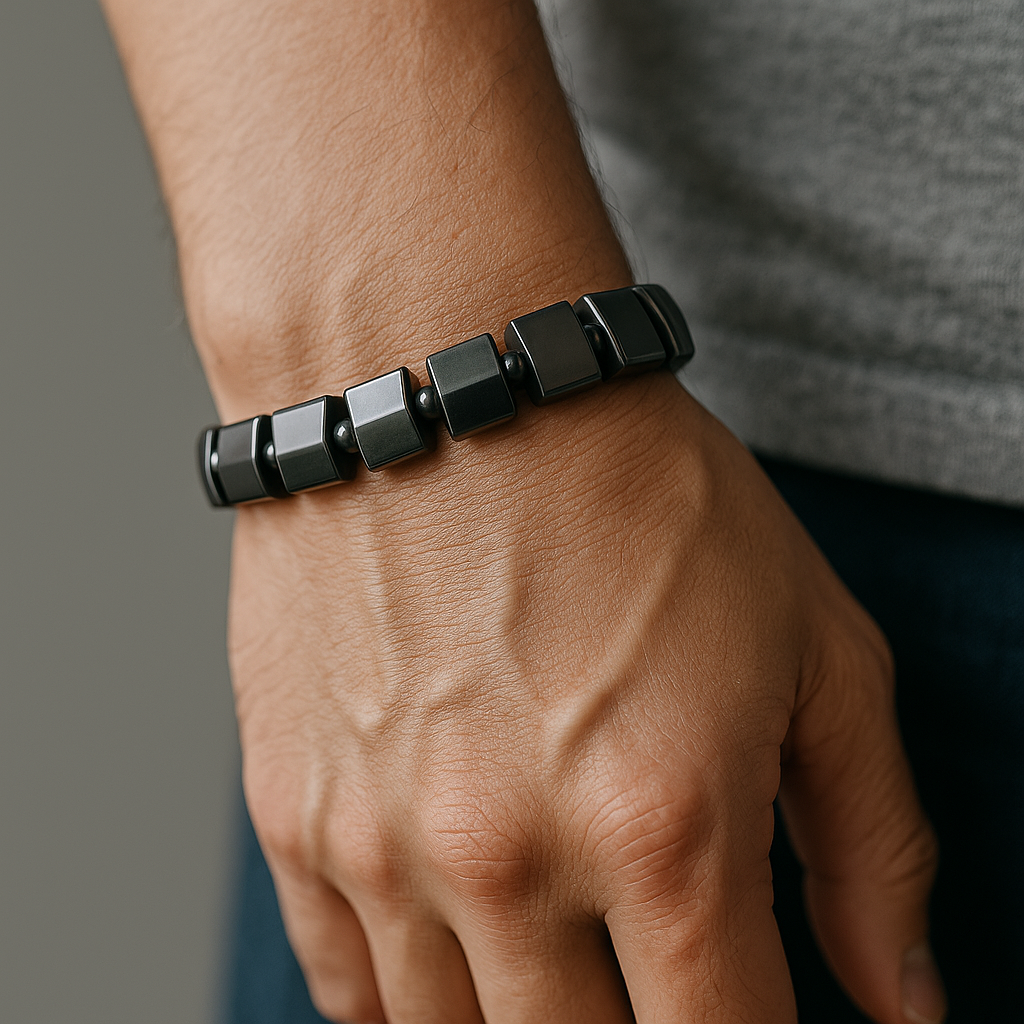
What the Evidence Says
Consumer regulators say the quiet part out loud: “Nothing you can wear or apply to your skin will cause you to lose weight. Period.” That’s the US Federal Trade Commission’s language for a reason – metabolism happens inside you, not in a trinket on your wrist.
If you want a second check, the FTC’s “Gut Check” guide lists any promise of weight loss from a product worn on the body as a red flag. Bracelets – same verdict. Claims like that are considered false because there’s no plausible mechanism and no robust human trials to back them.
Magnets, Brain Stimulation – and the Confusion
A lot of marketing blurs lines between static magnets and research on medical-grade electromagnetic techniques. Static magnets (the kind in jewellery) show no convincing benefit even for pain, let alone fat loss, according to the US National Center for Complementary and Integrative Health. That matters — if magnets can’t reliably help pain when placed right on the sore spot, why would they shrink fat from your wrist?
You might have seen studies where non-invasive brain stimulation (rTMS or tDCS) altered appetite or weight under clinical supervision. That is an entirely different technology – targeted, regulated, delivered by clinicians to the brain with sham-controlled trials. It is not the same as wearing a magnetic bracelet. Possibly helpful in specialist settings? Maybe. A wearable shortcut? No.
Why the Hype Keeps Spreading
Health misinformation thrives where testimonials beat data. As science communicators have noted, if a simple bracelet truly worked, you’d hear it first from journals and regulators, not multi-level marketing posts. The “bracelet that balances energy” story has been debunked many times because it leans on buzzwords, not biology.
Risks You Should Know
Most bracelets are harmless fashion. But magnets can matter in the wrong place. Strong consumer magnets can interfere with implanted medical devices. The US FDA advises keeping magnetised gadgets at least six inches from pacemakers and defibrillators. Magnets are also an MRI problem – that scan room is a powerful magnetic field, and loose magnets or magnet-containing items are a safety risk. If you have an implant or you’re heading for an MRI, tell your clinician what you wear.
What Actually Helps with Weight
Bracelets sell you effort-free change. Real change needs… effort. The basics are dull, but they’re repeatable. Use them.
Behaviour you can start this week:
- Aim for 150 minutes of moderate activity or 75 minutes vigorous activity across the week.
- Add two strength sessions that hit major muscle groups.
- Sit less — break long sitting with a short walk or stair set.
Food choices that scale:
- Anchor each meal with protein and veg you’ll actually eat.
- Keep high-calorie snacks for planned times, not every evening.
- Track weekly averages, not daily swings — water lies, trends don’t.
Possibly you expected a clever hack. You got a plan instead. That’s better.

How to Spot Red Flags
Marketers know our weak spots — speed, ease, “natural”, “ancient”. Use a checklist.
| Be sceptical when you see | Be practical instead |
| “Clinically proven” with no link to a peer-reviewed trial. | Ask: What is the mechanism? If the answer is energy frequencies, pass. |
| Before/after photos with filters or different lighting. | Search: Is there a randomised controlled trial in humans? Not a testimonial thread. |
| Phrases like “targets armpit fat” – spot-reduction is not how fat loss works. | Check regulators and reputable charities before you spend. |
| “Results without diet or exercise” – a classic FTC red flag. |
What People Say Online
Anecdotes on Q&A forums vary – some swear by a bracelet, others call it a waste. Honestly, anecdotes are not data. They can be sincere and still be wrong. Placebo is real. So is the effect of walking more because a new purchase made you think about your health. Use stories as motivation if you like, not as proof.
My Take – Blunt, but Fair
Weight loss bracelets are theatre. They can remind you of a goal. They cannot do the work for you. If wearing one nudges you to move more, fine – treat it as a cue, not a cure. But don’t hand over cash for a promise that contradicts basic physiology and regulator guidance. Save your money for shoes you’ll walk in or food you’ll cook.
If you’re still tempted, test it like a scientist. Track four weeks without the bracelet, four weeks with it. Keep diet and activity steady. Measure waist and weight weekly. If nothing changes beyond noise, you have your answer. If something improves, check what else you changed – sleep, steps, snacks. Be honest with yourself.
The bottom line is simple: bracelets don’t burn fat – people do. Pick the habits you can keep. Build them one week at a time. If you fall off, start again tomorrow – not next month.
Evorel Sequi Patches & Weight Loss: What the Evidence Really Says
What Evorel Sequi Is – and Isn’t
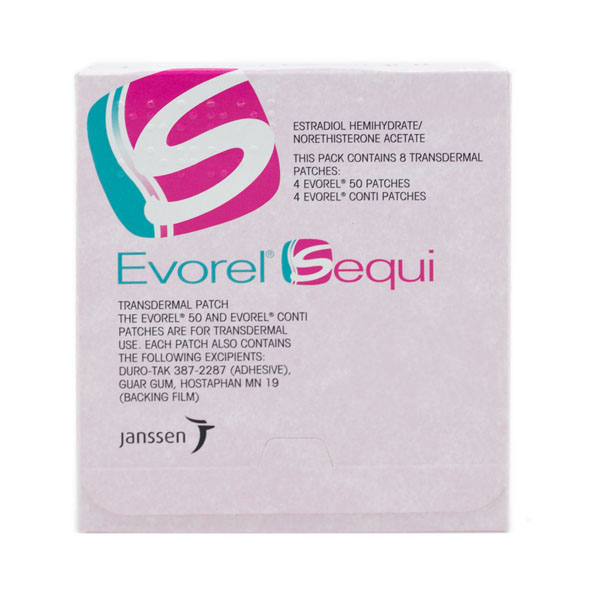
Evorel Sequi is a sequential hormone-replacement therapy (HRT) patch pack. It delivers oestrogen alone for part of the month, then oestrogen plus a progestogen for the rest. You wear one patch at a time and change it twice a week. It is designed to ease menopausal symptoms – not to change your clothing size.
You’ll see “weight gain” listed in the official leaflet as a possible side effect. That is a labelling requirement, not a promise. It means some users in trials reported it. It does not prove the patch causes fat gain in everyone. Honestly, labelling language can sound scarier than the data.
Does HRT Cause Weight Gain?
Short answer – not really. NHS guidance says there’s little evidence that most forms of HRT make you put on weight. Women often gain weight during the menopausal years whether they take HRT or not. Ageing, sleep disruption, and activity changes do a lot of the lifting here.
Women’s Health Concern and the British Menopause Society echo this. They note frequent midlife weight gain and central fat shift, but no strong evidence that HRT itself is the driver. Some types may cause short-term bloating or fluid retention, which can nudge the scales without adding fat.
Why Weight Changes Around Menopause
Oestrogen falls. Activity often dips. Lean muscle drops and resting metabolism slows. Fat moves towards the middle. That mix explains the stubborn waistband more than any single prescription. Observational and clinical reviews point to ~0.7–1.5 kg per year on average through the transition, with more visceral fat. It’s uncomfortable to hear, but it’s normal biology.
Could HRT Slow Weight Gain?
Possibly – but don’t bank on it. Some research suggests oestrogen therapy may blunt the shift towards central fat and help body-composition trends, though evidence is mixed and not high-quality. Transdermal vs oral differences remain uncertain. Translation: HRT can support symptom control, sleep, and activity; those may help your weight indirectly. It is not a slimming therapy.
What the Label Actually Says About Weight
“Weight gain” appears as a common side effect for Evorel Sequi and related patches in UK product information. Common usually means between 1 in 10 and 1 in 100 users. It sits alongside things like breast tenderness, skin irritation, water retention, headache, and mood changes. Worth knowing, not worth panicking about.
If Your Weight Goes up on Evorel Sequi
First, separate fat gain from fluid shifts. HRT – like many medicines – can cause temporary fluid retention. That can add a kilo or two in days. Waist measurements and how clothes fit are often more honest than a random Tuesday weigh-in. If concerns persist beyond the settling-in period (usually three months), speak with your prescriber; dose or regimen can be tweaked.
Practical checks:
- Track waist and weekly average weight, not single days.
- Note timing of patch changes and any bloating.
- Log sleep, steps, and hot-flush relief — they influence appetite and movement.
When to call the clinic:
- Ongoing swelling, rapid weight change, or mood effects that don’t settle.
- New bleeding patterns outside what’s expected on sequential HRT.
- Any red-flag symptoms your leaflet lists (leg swelling, chest pain, severe headache).
Honest Advice on Managing Weight While Using HRT
HRT can make life livable – better sleep, fewer flushes, clearer head. That makes diet and movement easier to stick to. The basics still win.
Keep it simple:
- Aim for protein at each meal and two fists of veg daily.
- Walk most days; add two short strength sessions per week.
- Guard sleep – it moderates hunger.
- Alcohol and ultra-processed snacks? Fewer is better.
Smart expectations:
- Expect small losses – 0.25 – 0.5 kg per week tops.
- Plateaus happen. Hold the line for two weeks before changing anything.
- If life is heavy, maintenance is a win. “Not gaining” is progress during chaos.
My Take – Blunt, but Fair
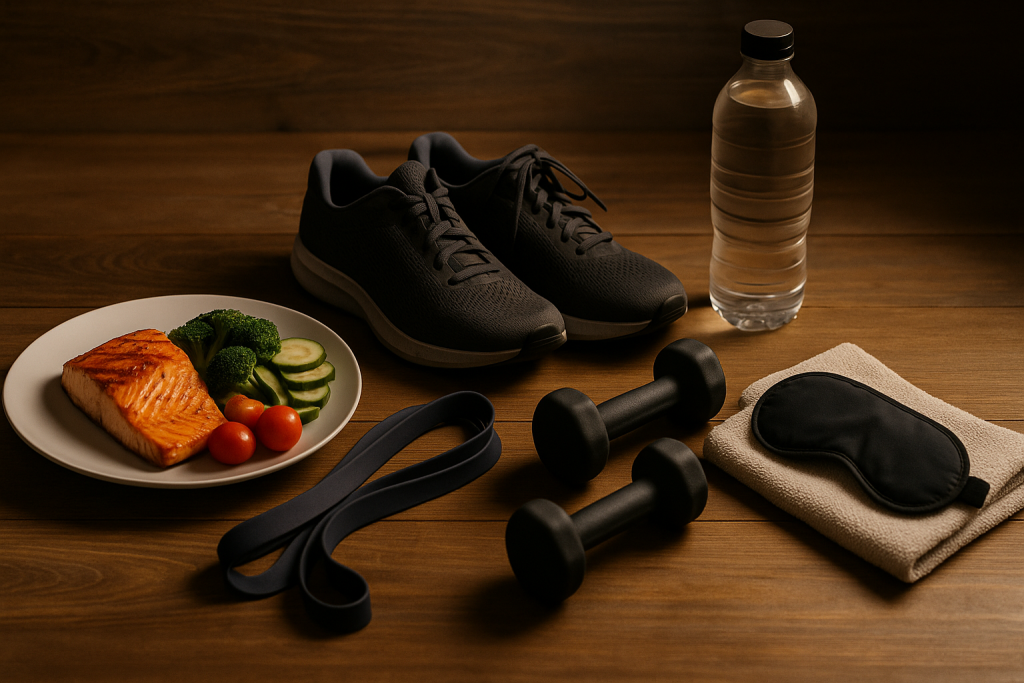
Evorel Sequi is good HRT for the right person. It’s not a weight-loss patch. If you lose weight while using it, it’s because you’ve changed behaviour, sleep, or stress – or because symptoms eased and you can move again. If you gain, check food, steps, and fluid first. Blaming the patch alone is tidy; reality is messier.
If weight is your main worry, be open about that with your clinician. Sequential patches, continuous patches, gels, intrauterine progestogen – there are options. The goal is symptom control with a side-effect profile you can live with. Use medicines for what they’re licensed to do. Use lifestyle for the rest.
Nefopam and Weight Loss: Facts, Not Hype
What Nefopam Is
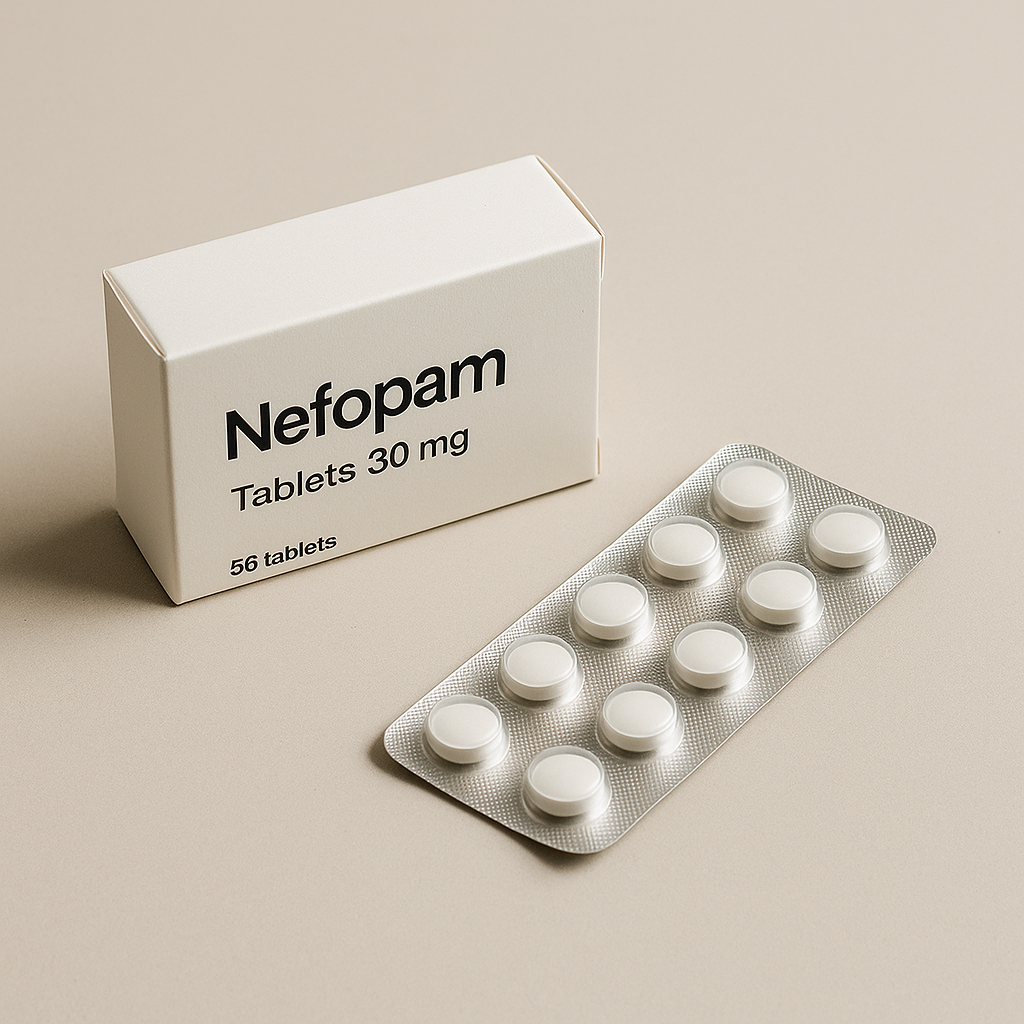
Nefopam is a prescription-only painkiller used in the UK for moderate pain when simple options are not enough. It is not an opioid. Usual adult dosing is 30–60mg three times daily, adjusted by a clinician. It can make some people drowsy, shaky or dizzy, and long-term use can lead to dependence, so you’re advised to use the lowest dose for the shortest time.
Mechanistically, nefopam works in the central nervous system. Evidence points to inhibition of serotonin and noradrenaline reuptake, with additional effects on glutamate/NMDA pathways. In plain English: it modifies how pain signals are processed rather than numbing the body.
Here is the key point up front: nefopam is not licensed or recommended for weight loss. Any change on the scales should be treated as a side effect or a coincidence, not a goal.
Where “Weight Loss” Claims Come from
You may see snippets from laboratory studies suggesting weight shifts around nefopam. One rat study reported that animals given intraperitoneal (IP) nefopam showed a downward trend in body weight, whereas oral nefopam only blunted weight gain for a couple of days. The authors themselves flagged confounders: bitterness affecting intake, stress or pain from IP injections, and possible metabolic effects. Put bluntly, a rat losing weight after a bitter drug or an uncomfortable injection tells you little about whether humans will lose fat on tablets.
In animal pain models, body weight is sometimes used as a crude proxy for wellbeing. But when the drug tastes bad or the route hurts, weight change stops being a clean signal of analgesia and starts being a side effect of aversion. That’s why extrapolating “nefopam causes weight loss” from that setting is shaky at best. Honestly, it’s a stretch.
What Human Evidence Shows
In people, nefopam is prescribed for pain – postoperative, dental, musculoskeletal and similar – when a clinician judges it appropriate. Trials and reviews focus on pain scores and opioid-sparing effects, not on body weight. National resources do not list weight loss as a therapeutic benefit. Some local UK formulary statements even question how useful nefopam is compared with alternatives and highlight frequent side effects. None of these sources position nefopam as a weight-management tool.
If you notice weight change while taking nefopam, the simple explanation is usually indirect: eating less because you feel nauseous, moving less (or more) due to pain, recovering from surgery, or changes in fluid balance. The NHS lists common effects such as nausea, dizziness, confusion, dry mouth and difficulty peeing – again, nothing about intended weight reduction.
Side Effects That Might Affect Appetite
Nefopam’s side-effect profile can clip appetite or make meals unappealing. That can show up on the scale, but it’s not healthy weight management.
Commonly reported problems include:
- Feeling sick, dizzy or shaky.
- Dry mouth and tingling.
- Confusion or hallucinations in some, especially older adults.
Signals that need urgent attention:
- Fast heartbeat, seizures, severe confusion, or signs of a serious allergic reaction.
- Any new neurological symptoms. Do not self-treat these – seek medical care.
Interactions, Contraindications and Cautions
Nefopam interacts with other medicines that affect the nervous system. It can raise heart rate and may worsen glaucoma or urinary retention. National summaries and local prescribing statements warn of hallucinations, agitation and, rarely, convulsions – risks that climb with misuse or higher anticholinergic burden. If you have epilepsy, angle-closure glaucoma, urinary retention, or you take monoamine oxidase inhibitors, you should not take nefopam without specialist advice.
It’s also “possibly” addictive with long-term use. The NHS advises tapering rather than an abrupt stop if you’ve been on it for a while. Honestly, that’s good practice for many CNS-active drugs.
Could Nefopam Ever Be a Weight-Loss Aid?
Short answer: no. There’s no clinical guidance or licensing for weight reduction, and any weight change seen with nefopam is an unwanted effect. Using a painkiller to chase a smaller number on the scale is unsafe and, in my view, irresponsible. If you’re losing weight unintentionally while on nefopam, speak to your clinician to rule out side effects, under-eating due to nausea, or another cause.
Better, Safer Ways to Approach Weight
If pain is stopping you from moving and you’re also trying to manage weight, address both – in that order.
Talk to your clinician about:
- Switching to pain strategies with clearer benefit–risk profiles for your condition.
- Non-drug options: graded activity, physio, sleep support.
- Antiemetics or dose adjustments if nausea is the barrier.
Build a simple plan you can keep:
- Track steps or active minutes; nudge them up weekly.
- Keep protein steady at meals; choose vegetables you’ll actually eat.
- Aim for a modest calorie deficit you can live with for months, not days.
No drama, no silver bullets. Your body is not a chemistry set to be “hacked” with a painkiller.

The Takeaway – Clear and Blunt
Nefopam is a centrally acting analgesic. It can help selected patients with pain. It is not a weight-loss drug. Animal data showing weight change are confounded by bitterness and injection-related stress, and they do not translate to a safe or meaningful slimming effect in humans. If you’re tempted to use side effects as a weight plan, don’t. Fix the pain, tidy the diet, move a little more, and use medicines for what they are licensed to do.
Izzi Warner Weight Loss: What Changed – and What Kept Going
Why This Story Matters
Izzi Warner is not a fitness influencer. She is a Gogglebox regular who chose to move more and feel better after having her daughter. That’s relatable. She spoke to followers in real time, posted wins and wobblies, and used running as the engine. You asked for facts – not fluff – so here they are, with sources.
The Postpartum Starting Point
Izzi welcomed her daughter, Bessie, in 2020. About six months later she shared a photo that showed clear progress after pregnancy. It wasn’t a “big reveal”, it was a simple update. That early window matters because most real-world changes begin small and a bit messy.
Running Became the Engine
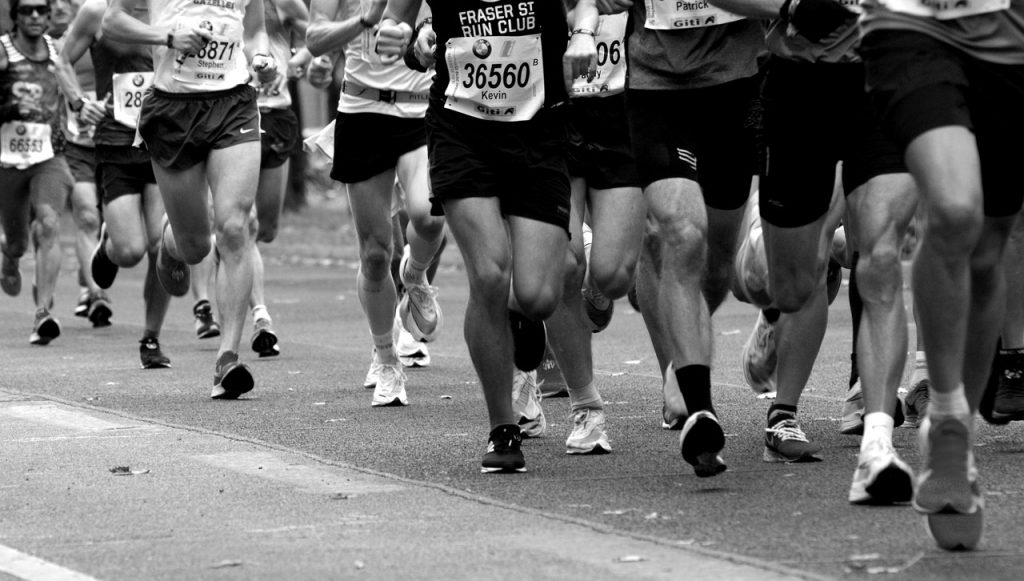
In 2022 she took up running. By February 2023 she posted, “first ever 10 mile run… absolutely buzzing… this time last year I wouldn’t have even run for a bus.” She thanked her running club and said “next stop, half marathon.” In September 2023 she shared a “from couch to half marathon” update. That is a clean, public trail of habit stacking: walk, jog, 10 miles, race. Honestly, that beats any “hack”.

What She Actually Did
No magic plan. No mystery supplement. What we can verify is simple:
- Joined a running club for accountability and structure.
- Built distance over time – with a first 10-mile run, then a half marathon target.
- Posted progress to her own audience, which added pressure and support.
Does that sound basic? Good. Basics are repeatable. And repeatable wins.
Mindset and Momentum
Confidence grows in steps, not leaps. Izzi’s captions read like notes to herself: proud today, aim higher tomorrow. Possibly you recognise that rhythm – do something hard, say it out loud, do it again. I’ll be blunt: consistency beats intensity. You can sprint for a week or jog for a year. Only one of those rewires your life.
Social Media Without the Noise
She didn’t preach. She documented. That difference matters. Her Instagram has hundreds of thousands of followers, but the most useful posts are the training notes, not the glam shots. Social media can distort bodies – filters, angles, lighting – but it can also keep you honest when you show the work. Use it as a log, not a mirror.
Life Changes and Support
Real life moved too. In October 2024, during a Gogglebox episode, Izzi said she’d split from her long-term partner, Grant, about 18 months earlier. Later coverage confirmed she’d gone public about being single and what she wanted in a future partner. In early 2025, outlets noted a new relationship with Toby Joyce. None of this is gossip here – it’s context. Changes outside the gym affect the gym. Stress, sleep, time, childcare – all of it sits on the same scales as calories.
What You Can Steal (Without Pretending You’re a Runner)
If you’re starting, start small. If you’re stuck, simplify. Here’s a stripped list drawn from what we can verify about Izzi’s approach.
Build the habit:
- Pick three fixed training slots a week. Show up no matter what.
- Join a group once a week for pace and company – call it your “non-negotiable”.
- Log each session in one place. Date, distance, how it felt. That’s it.
Progress the work:
- Add 5–10% distance each week for eight weeks, then hold steady for two.
- Keep one easy run, one slightly longer run, one quality session (hills or intervals).
- If you miss a week, don’t “catch up” – resume the plan. The body hates panic.
No, this isn’t medical advice. It’s pattern recognition from a public journey. Adjust for your knees, your sleep, your schedule.
The Media Frame – and What to Ignore
Headlines will keep calling it a “transformation”. Fine. But the better story is maintenance. Izzi’s feed shows a person who kept moving, told the truth about effort, and celebrated community as much as pace. That’s not glamorous. It is useful. If you want a neat before-and-after, Instagram can sell you one. If you want something you can live with, copy the boring bits.
The Value of Community
Her own captions thank a running club. That’s accountability with laughter baked in. You can find the same thing anywhere – a local club, a parkrun, two mates who won’t let you bail. Possibly the most underrated performance enhancer is not quitting because someone expects you to show up.
Bottom Line
Izzi Warner didn’t reinvent weight loss. She made it smaller and closer. She started after a baby. She ran more. She leaned on people. She posted the steps. You don’t need to love running to learn from that. You need a plan you’ll actually do – and the nerve to keep doing it when life gets noisy.
If that sounds blunt, good. Results are blunt. Do the work, rest enough, tell the truth to yourself. If you fall off, start again tomorrow – not next month.
Chunkz Weight Loss: What Changed – and What Didn’t
Why This Story Matters
Chunkz – Amin Mohamed – is not a fitness guru. He’s an entertainer who decided he’d had enough. He says he dropped about eight stone over roughly two years. Others put the early figure nearer 42kg from mid-2020. Both can be true at different points – the number moved, the effort stayed.
The Turning Point
The spark wasn’t a doctor’s lecture. It was a shopping trip. He and Yung Filly were filming a music video; Chunkz couldn’t fit into anything. He was somewhere between 3XL and 4XL. That moment stung, and it worked.
He went back to basics. Calorie deficit. Fewer excuses. More steps. He also leaned on family – and said seeing them kept him going. Honestly, that matters more than any macro split.

How He Actually Lost It
He ditched the magic-bullet thinking and chose dull, reliable work. No secret powder. No shortcut.
A simple day of eating he described:
- Morning: three eggs.
- Midday: chicken breast with veg.
- Evening: salmon with rice and veg.
Plenty of water in between. Possibly not glamorous, but sustainable.
Training phases he followed:
- Early stage: high-intensity intervals, lots of cardio, even 1–2km runs in the woods.
- Later stage: a standard split – chest, back, legs, and so on – to build strength.
He even told a treadmill story where he cranked the speed to match the guy next to him – and ended up on his knees. Humbling, but real.
The Mindset Shift
He called confidence “the key” – something he lacked when weight and camera anxiety fed each other. He admits trolls exist. He also says thick skin helps. The bigger change was internal: he could finally fit into clothes and feel like himself on set. That’s not vanity; it’s relief.
On his own show, he’s spoken about getting down to around 99kg. If you’ve ever yo-yoed, you know that number can bounce. Maintenance is a second mountain. He doesn’t pretend otherwise. Neither should we.
Community and Accountability
He didn’t do this solo. A friend and trainer – Kyle – pushed the discipline piece when motivation faded. Michael Dapaah and Armz Korleone were part of the support network. Sessions with them became proof: “They were shocked how much weight I’d lost – I was shocked how much I could lift.” That’s the loop you want.
He also fronted a campaign with The Gym Group aimed at first-timers who feel awkward. The idea was simple: embrace the “awks”, show up anyway, and get through the first three visits. It’s smart because the gym feels like a stage – and most of us are shy backstage.
What He Tried – and Kept
Chunkz said he’d tried the usual suspects before: keto, intermittent fasting, low-carb, soups, smoothies. The pattern is common – quick intensity, quick drop-off. What stuck was the boring, useful rule: stay in a calorie deficit and lift enough to keep energy and muscle. Honestly, that’s the unsexy truth.
What clearly worked for him:
- A calorie target he could live with.
- Food he’d actually eat – seasoned, basic, repeatable.
- Cardio to shift mass; weights to hold shape.
- Public accountability – posts, interviews, campaigns.
- Family and friends as fuel, not pressure.
What Didn’t – and Why It Matters
If you’re waiting for a moment where the switch flips forever, you’ll wait a long time. He has admitted the number went down, then up a bit, then down. The Sun framed the loss at about eight stone; 42 kg by late 2021 – and he kept going after that. Bodies aren’t spreadsheets. They drift. The point is he kept course-correcting.
Social media can push body image into weird places. He used it as a nudge, not a mirror to beg for praise. Posts with footballers drew comments about his face and frame – which, unexpectedly, kept him motivated. Possibly that’s the healthiest way to use the internet: let it remind you of effort, not worth.
My Take – Blunt, but Fair
You can like Chunkz’s content and still say this: weight loss is work, not vibes. Diet names don’t matter if the plate is too full. Cardio matters. Lifting matters. Sleep matters. If you’re big on flavour, learn to cook. If you feel awkward, show up three times and it will fade. And if you quit, start again the next day – not Monday.
He didn’t sell you a pill. He didn’t hide behind “big-boned”. He spoke about insecurity, embraced discipline, and used community well. That’s the map. It won’t look the same on your street, but the roads are similar.
A Few Practical Notes If You’re Starting
This isn’t medical advice. It’s common sense drawn from his experience.
Keep it plain:
- Protein at each meal.
- A veggie you actually like.
- Starches that fit your day, not your fantasy.
Track the levers:
- Calories weekly, not daily – water lies.
- Steps every day.
- Weights you can add to over months.
And yes, be honest. If you’re “bulking” but never see a barbell, you’re not bulking – you’re snacking.
The Human Bit
He said family kept him going. He said discipline beat motivation. He said confidence came back in steps, not in a single photo. None of that is groundbreaking. That’s exactly why it’s useful.
If you need a tidy lesson, take this one: pick the plan you’ll actually do. If eggs, chicken and salmon sound boring, season them. If the treadmill scares you, walk outside. If the mirror talks too loud, look less – or look only on Fridays. And if you mess up, fix the next meal, not the next month.
Chunkz’s weight loss is still a story in motion. Possibly yours will be too. That’s fine. The work is the work.
Tony Maudsley Weight Loss – What We Know and What We Don’t
When the public spots a change in a familiar face, stories spring up fast. Tony Maudsley is one such face. He is best known for Kenneth in “Benidorm” and, more recently, George Shuttleworth in “Coronation Street”. People notice when an actor looks different. They ask questions. They look for answers. Honestly, with Tony Maudsley the clear answers are scarce – and that matters. I will present what is verifiable, point out the gaps, and give a frank view of what might be going on.
Who Is Tony Maudsley?
Tony Maudsley is an English actor, born 30 January 1968, with a long career on television and stage. He rose to wide recognition for “Benidorm” and now appears in “Coronation Street”.
What the Public Has Noted
In recent years, some viewers and tabloids have commented that he appears slimmer. That discussion sometimes shows up when articles about his career or contract news appear. Tabloid coverage and short video clips have amplified those observations – framing them as a noticeable change. Be cautious with this type of coverage – it is often more about clicks than careful reporting.


What He Has (or Has Not) Said Publicly
There is no clear, public statement from Tony Maudsley in which he outlines a weight-loss plan or declares how much weight he may have lost. His Instagram shows activity and promotional posts, but not a private reveal or detailed discussion on weight. That absence is meaningful – silence can be deliberate.
A Notable Social Post from a Clinic
There is one piece of visual evidence worth mentioning: an Instagram reel from a clinic that shows Tony Maudsley as a client receiving a CoolSculpting treatment. This is not a medical paper or a lifestyle exposé. It is, though, a direct social post claiming he had a cosmetic procedure aimed at reducing localised fat. If true, that is a cosmetic step – not necessarily the full story of any broader weight change.
How to Read Celebrity “Weight Loss” Stories – a Short Guide
- Tabloid headlines often compress nuance into a single line. That sells. It does not equal reliable proof.
- A social-media clip from a clinic shows one moment. It does not document a full lifestyle.
- Absence of a first-person statement from the celebrity means much remains private – and rightly so.
Reasons Celebrity Weight Changes Attract Attention
There are several human reasons why we fixate on this:
- People project hopes and judgments on public figures.
- Narrative loves a “before and after”.
- The entertainment industry has long mixed image and talent – which fuels interest.
Practical Takeaways If You’re Curious or Inspired
If his apparent change inspires you, consider realistic steps rather than chasing headlines:
- Focus on sustainable habits – consistent movement, better sleep, sensible meals.
- Cosmetic procedures can alter appearance locally – they are tools, not total solutions.
- Privacy matters – many public figures choose to keep health choices personal.
Things Not Supported By Public Sources:
- A confirmed figure for weight lost. (No public statement found).
- A published diet or training programme from Maudsley. (No verifiable source).
Healthy Eating Habits for Weight Management
Even without knowing Tony Maudsley’s exact approach, it is useful to consider general principles of healthy eating for weight management. Proper nutrition supports energy, recovery, and overall wellbeing – whether you are an actor on set or simply trying to maintain a healthy lifestyle.
A balanced diet should include:
- Vegetables and fruit: These provide fibre, vitamins, and minerals. They fill you up without adding too many calories. Aim to include a variety of colours at every meal.
- Lean protein: Sources like chicken, fish, eggs, and legumes help maintain muscle mass and keep you feeling satisfied. Protein also stabilises energy levels throughout the day.
- Whole grains: Brown rice, oats, quinoa, and whole wheat bread release energy slowly and help prevent sudden hunger pangs. Avoid highly processed grains where possible.
- Healthy fats: Nuts, seeds, olive oil, and fatty fish contribute to brain and heart health. Portion control is important – even healthy fats are calorie-dense.
- Hydration: Water is essential. Herbal teas are fine. Sugary drinks and excessive alcohol can hinder weight management.
Bottom Line
To be blunt – there is a hunger for neat stories. People want a dramatic transformation with a recipe attached. In Tony Maudsley’s case, the available facts are patchy. There are observations, a clinic reel, and commentary. But there is no detailed, verified, first-person account of a weight-loss journey. Possibly that is intentional. Possibly it is private. Possibly it is nothing more than natural fluctuation plus cosmetic tweaks. My advice is simple – be skeptical of splashy headlines. If change matters to you, focus on methods that last.
Rag’n’Bone Man and Weight Loss – Facts Over Hype
The Voice, the Man, the Change
Rag’n’Bone Man – real name Rory Graham – has one of those voices that sound like they’ve lived a thousand lives. Gritty, deep, a bit wounded. The kind that fills a room before he even walks in.
But lately, it’s not just the voice people talk about. It’s the man himself. Fans have noticed he looks different – leaner, lighter, maybe more at ease. And, as usual, the internet wants answers. Did he lose weight? How? Why now?
No flashy statement came from him. No “before and after” spread. Just quiet consistency. And, honestly, that silence says a lot.

What We Know So Far
There’s no official number or confirmed diet plan. What’s certain is that Rag’n’Bone Man has been open in the past about health, especially after becoming a father. In several interviews, he’s hinted that he wanted more balance – less chaos, more time outdoors.
He’s also known for working physically hard. Before fame, he did manual labour, and even now he often mentions being more comfortable “doing stuff” than sitting around. Possibly that active streak returned. Still, looking at recent performances and photos, the result is clear: he’s changed.
The Pressure of Image and Expectation
There’s something uncomfortable about how we talk about body changes in public figures. Every time someone like Rag’n’Bone Man steps on stage or posts a photo, people start measuring – not his notes, but his size. It’s as if being talented isn’t enough anymore.
Honestly, I find that absurd. The man built a career on voice and emotion, not on abs or calorie counts. But fame plays tricks. Once the world labels you “the big guy with the big voice”, any visible shift becomes gossip. Possibly he’s aware of that and chooses silence for self-protection.
The truth is – the industry still rewards “looking the part”. Even when artists say they don’t care, they feel it. Fans comment, tabloids exaggerate, algorithms amplify. The pressure is real, even for people who act like it isn’t.
Maybe his way of dealing with it is to focus inward. Do the music. Do the work. Keep the peace. If a few kilos fall off along the way – fine. But chasing numbers on a scale rarely brings joy. Chasing good health, on the other hand, just might.
What This Could Mean for His Career
Artists evolve. Sometimes physically, sometimes creatively. His new look might just reflect a new chapter – one that values endurance over intensity.
He’s always written from a place of raw honesty. Maybe lighter living brings sharper focus. Maybe it helps with the grind of touring. Or maybe it means nothing beyond comfort. We don’t have to overanalyse everything.
Still, fans respond differently when they see change. It sparks curiosity. It makes the familiar feel new. That can be good for art – and marketing.
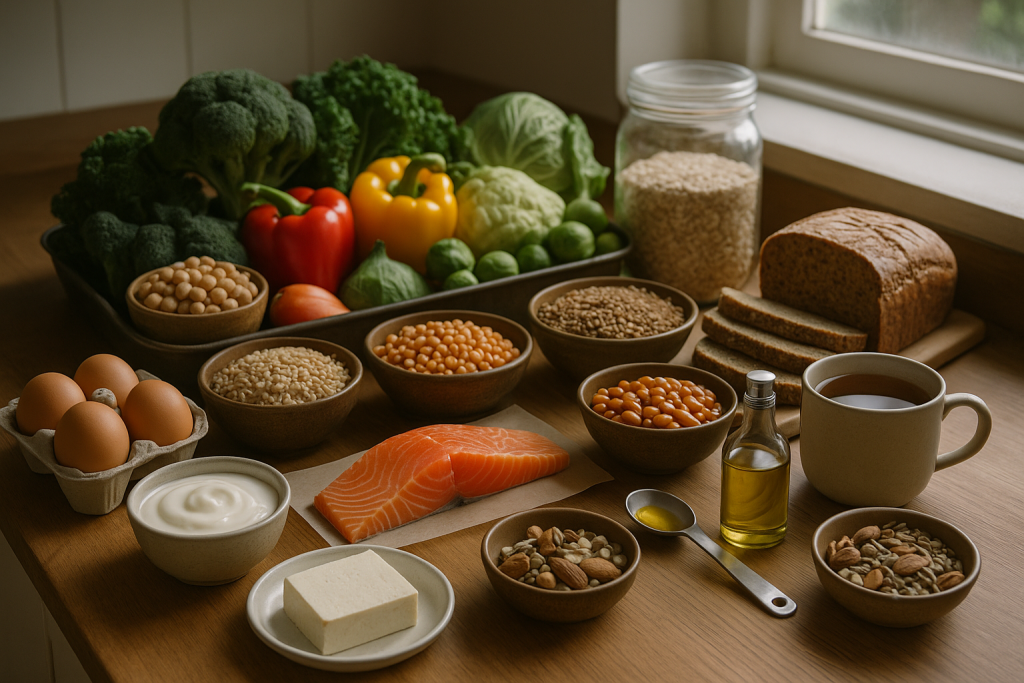
Foods That Quiet the Noise
Let’s keep it direct. This is the “no drama” shopping list.
- Build your base – vegetables, pulses, fruit, whole grains. Keep the fibre high. That supports satiety without calorie creep. The NHS has swap ideas if your staples are sugary or refined.
- Protein each meal – fish, eggs, yoghurt, beans, tofu. It helps you feel full and protects muscle while losing weight. (And yes, cheaper cuts and tins count).
- Fats with a measure – olive oil, nuts, seeds. Use the spoon, not the bottle – “healthy” still has calories.
- Sugar down – switch sugary drinks for water, tea, or sugar-free. Many breakfasts are sugar bombs – choose oats, plain wheat biscuits, or no-added-sugar muesli.
I know – none of this will trend. It works anyway.
Training That Survives a Busy Life
You do not need a perfect week. You need an average that skews active.
| 150 minutes | Brisk walking, cycling, swimming. Ten–twenty minute bouts still count. |
| Twice-weekly strength | Bodyweight, bands, or weights. Think pushes, pulls, squats, hinges. It supports metabolism while the scale moves. |
| Tired | Do the minimum that keeps the habit alive. That’s not laziness – that’s how streaks survive. |
Where Rag ’n’ Bone Man Fits into This
He’s proof that you can succeed in pop without fitting a narrow mould. Media pieces about his home life, gigs and album cycles show a working artist with routine and priorities beyond image. That’s a healthier story than any clicky “secret” – and, honestly, more useful.
If You Still Want Numbers
You won’t find trustworthy ones tied to his name today. If he shares details in a verified interview, great – let’s use them. Until then, take the energy you’d spend scrolling and put it into steps, sleep, and a food log. Boring beats magical thinking, nine times out of ten.
Bottom Line
There’s no proof Rag’n’Bone Man followed a diet plan or hired a specific trainer. What we do see is consistency. Maybe that’s all there is.
Weight loss stories often get turned into drama. But in his case, it feels understated – almost private. And that, perhaps, is the real lesson. Not every change needs an announcement.
If you ask me, the man’s greatest transformation remains his music. The voice is still there – heavy with soul, steady as ever.